

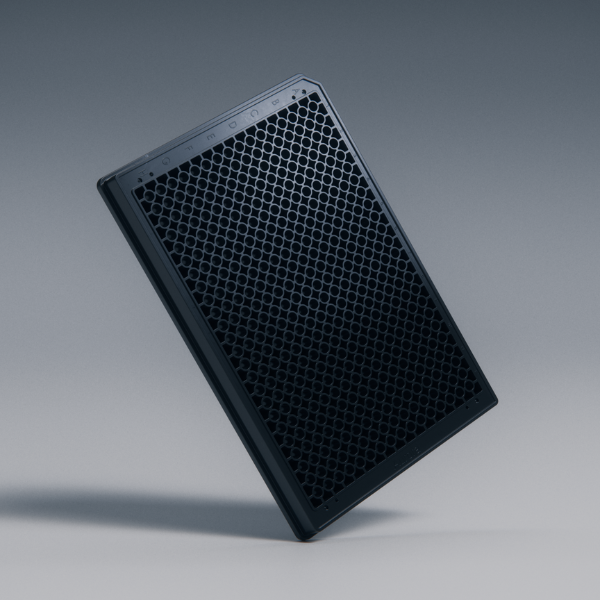

Aurora Science Series
Improving Assay Results with High-Performance Microplates
About the Program
A focused scientific conversation built around your research.
The Aurora Science Series brings our team directly to yours — a focused session on how microplate selection affects assay development, reproducibility, and screening outcomes.
We cover the science, answer your questions, and if Aurora plates aren’t the right fit for your application, we’ll tell you that.
Sessions are available in-person or virtually — whichever works for your team. In-person sessions include a complimentary lunch from Aurora. Consider it a working lunch where the only interruption is learning something useful.
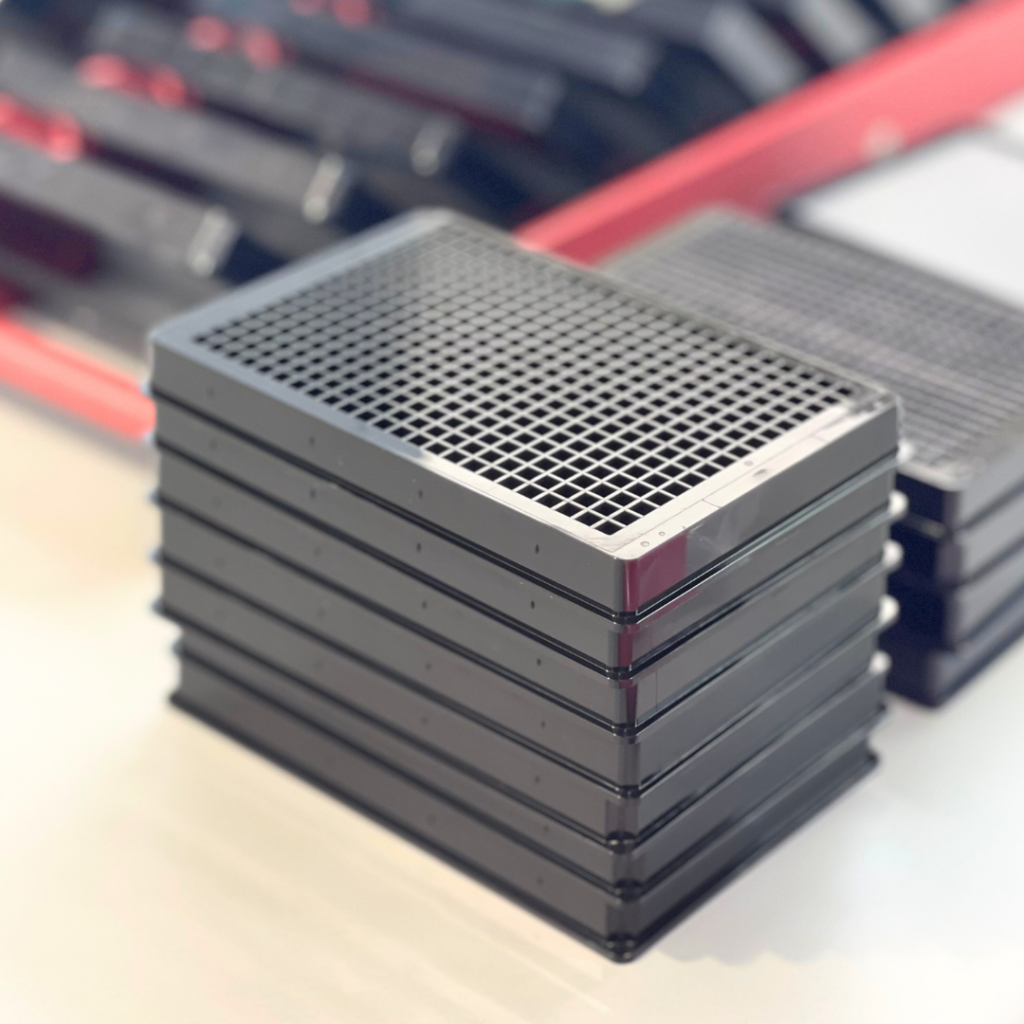
• COP material properties — superior flatness, transparency, purity, chemical resistance, thermal stability, and ultra-low autofluorescence — compared side by side against common plate materials
• Why plate flatness directly affects your Z-stack depth, imaging time, and photobleaching risk
• CELLAZIP™: Aurora’s proprietary coating technology and how it compares to PDL, fibronectin, and traditional surface treatments
• Vertical integration from material to microplate and why it matters for consistency and quality
What you'll Learn
The science behind microplate selection and why it matters for your assay.
Each session covers the material science, surface chemistry, and optical performance factors that most directly affect assay outcomes.

Lunch is on us
In-person sessions include a complimentary lunch provided by Aurora. The only thing on your agenda is the science.

Data-Driven Content
Why does material choice actually matter? COP vs. the plates already in your lab — optical clarity, autofluorescence, flatness, surface chemistry, and purity. Real data, real comparisons.

Sample Program Available
We can get Aurora COP plates in your hands to evaluate performance in your own assay before making any decisions.
Session Agenda
What to Expect - 1 Hour
First, grab your lunch.
Welcome & Intoductions
Brief overview of Aurora Microplates and what we'll cover today.
The Science of Better Plates
Why does material choice actually matter? COP vs. the plates already in your lab — optical clarity, autofluorescence, flatness, surface chemistry, and purity. Real data, real comparisons.
Aurora Solutions & Custom Options
Standard plate formats, CELLAZIP™ coatings, and custom microplate solutions via Aurora + Edge Precision Manufacturing.
Open Q&A
Your questions, your applications, your challenges. This is where the real conversation happens.
Who It's For
Built for research teams where plate performance is a variable.
If your work depends on reliable assay data, this session is relevant to you.
Assay Development Teams
Running imaging, HTS, or cell-based assays where plate flatness, optical clarity, and autofluorescence directly affect your results.
Lab Managers & Directors
Responsible for reagent costs, instrument time, and assay reproducibility across your team. Plate selection is a lever you may not be fully optimizing.
Research Scientists
Developing new assays, scaling up workflows, or troubleshooting variability — and wondering if the plate might be part of the equation.
Screening & HTS Groups
Running high-throughput workflows where well-to-well consistency, signal-to-noise, and miniaturization requirements make material choice critical.</p
MEET THE PRESENTERs
Who You'll Hear From
Alison Skelley, PhD
Alison received her PhD in Chemistry from UC Berkeley and completed her Post-Doctoral work at MIT. With 20+ years of experience in medical devices, she serves as Chief Science Officer at Zeon Specialty Materials Inc., providing scientific and regulatory guidance across materials fields and technical support for Aurora Microplates. She developed the scientific content at the foundation of every Aurora Science Series session.

Jeff Carlson
Jeff works directly with research teams across pharmaceutical, biotech, government, and academic organizations to help them evaluate microplate options for their specific assay needs. He brings a practical, application-focused perspective to every session — grounded in the questions researchers actually ask and the performance data that matters most to their work.